Results of influent wastewater analysis and comparison with TCVN 5945:2005 column A (output concentration after treatment):
Parameter Name
Unit
Result
TCVN 5945:2005 column A
pH
–
5.5 – 9
6 – 9
Suspended Solids
mg/l
400 – 800
50
COD
mgO/l
1,500- 2,500
50
BOD
mgO/l
700 – 1,200
30
Total Coliforms
MPN/100 ml
0.105 – 0.106
3,000
Thus, the requirement for the wastewater treatment system is to achieve a minimum removal efficiency of 90% for suspended solids, and 96-97% for other substances. COD, BOD, and over 99% of harmful microorganisms.
Treatment Technology: Wastewater treatment process is selected using a 3-stage treatment method to minimize the amount of pollutants.
Treatment Stage/
Treatment Process
Preliminary
Waste separation, sand settling, balancing, flotation
Stage 1
Anaerobic treatment in UASB tank
Stage 2
Aerobic treatment in Aeroten tank
Stage 3
Coagulation, sedimentation, filtration, disinfection
Includes the following steps:
– Waste filtration using an automatic waste filter
– Wastewater collection, balancing, and oil and grease separation
– Stage 1 treatment using anaerobic biological method in UASB tank
– Stage 2 treatment using aerobic biological method in AEROTEN tank
– Stage 3 treatment using physicochemical methods: coagulation, sedimentation, filtration, and disinfection.
The settled sludge is pumped into a sludge storage tank, a sludge digestion tank, and finally discharged into a landfill or used as fertilizer.
Technological flow diagram: Wastewater → Trash screen → Collection tank → Flotation tank → Equalization tank → Anaerobic biological tank with packing material → Activated sludge biological tank → Sedimentation tank → Disinfection tank → Treated water (TCVN 5945-2005 type A).
Technological explanation:
Before entering the collection tank, the wastewater is separated from coarse solids by a trash screen. From the collection tank, the wastewater is collected through a flotation device and then flows into the equalization tank (usually using a flotation method with air separation from the solution: creating a supersaturated solution of air, and when the pressure is reduced, air bubbles will separate from the solution, causing the pollutants to float. Therefore, an air compressor and an open scum collection tank are equipped).
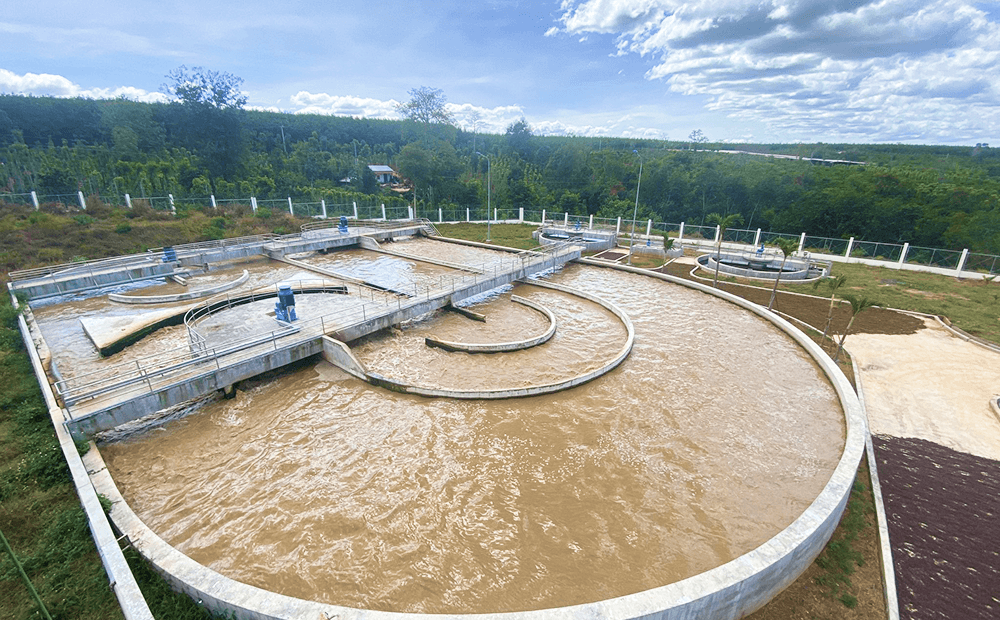
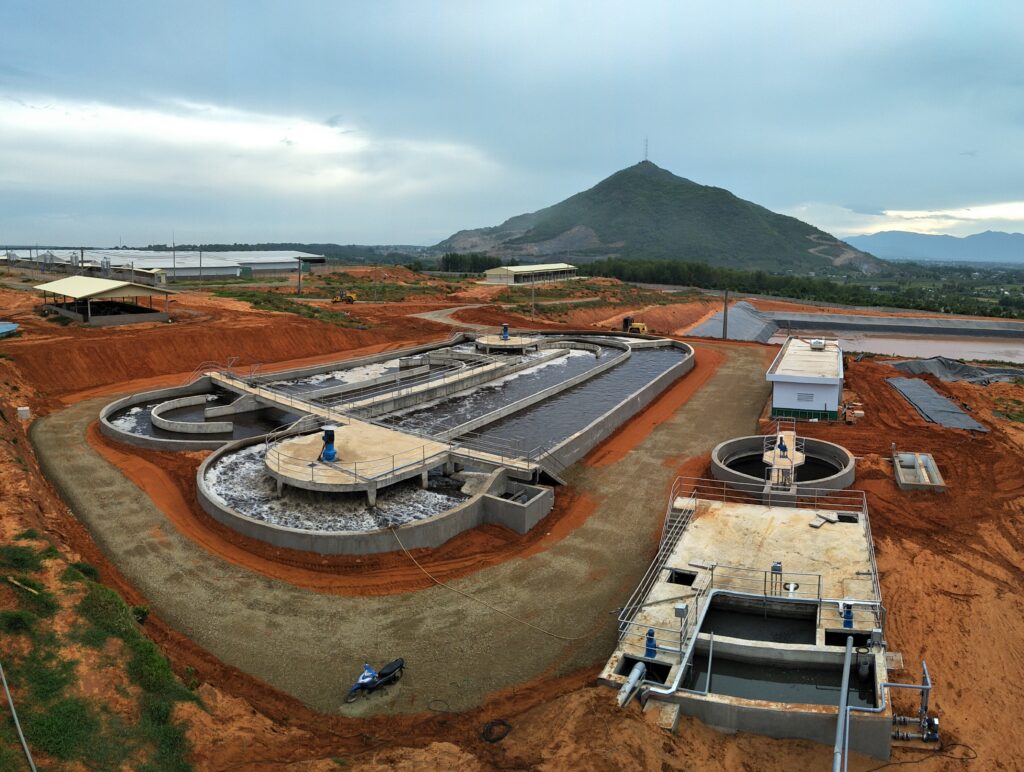
The equalization tank regulates flow rate and concentration. From the equalization tank, wastewater is continuously pumped into an anaerobic biological tank with contact material, then hydraulically flows into the activated sludge tank. Here, the organic matter in the wastewater is decomposed by aerobic bacteria in a high-density suspended form (activated sludge) under aeration conditions. Next, the wastewater is led through a settling tank before being discharged into the disinfection chamber. The wastewater is disinfected with chlorine, then pressure-filtered before being discharged into the environment.
The sludge from the settling tank is led into a sludge storage tank. Here, a portion of the sludge is recirculated back to the activated sludge tank. The excess sludge is periodically removed.
To treat aquaculture wastewater, especially catfish wastewater which contains a lot of blood and fat with high concentrations of pollutants, multiple methods must be applied simultaneously as described above: physicochemical methods (waste separation, fat separation by flotation, sedimentation, disinfection, pressure filtration); Biochemical method (anaerobic principle: biological filter with packing material; aerobic principle: aerated aerotank with activated sludge inoculated with microorganisms).
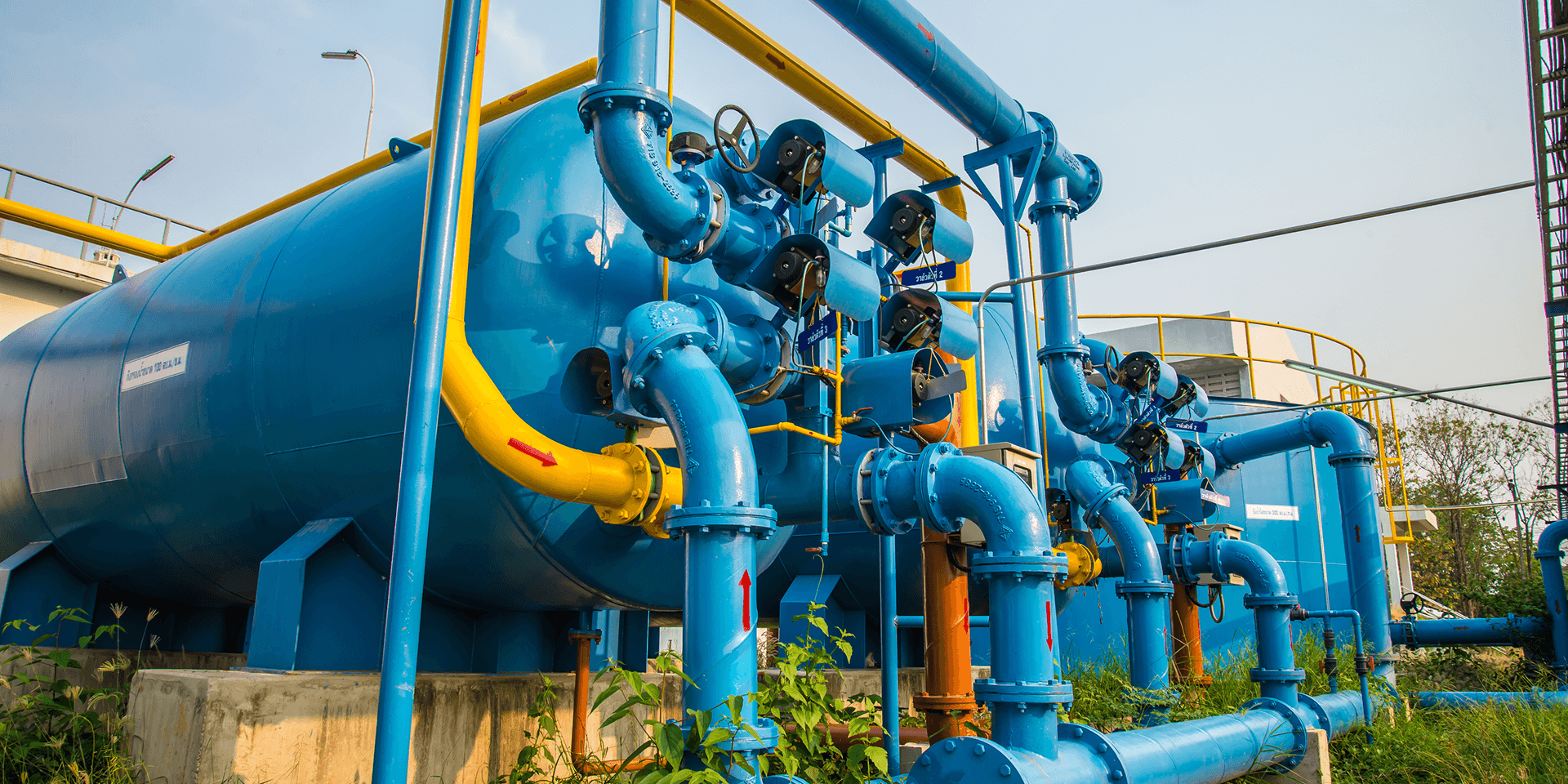
The treatment facility includes the following construction and equipment items:
Collection tank, wastewater pump
Flotation tank, air compressor, high-pressure pump, drive motor
Equalization tank, pump
Anaerobic digestion tank, wastewater pump
Activated sludge tank, air blower
Settling tank, geared motor
Sludge storage tank, circulating sludge pump
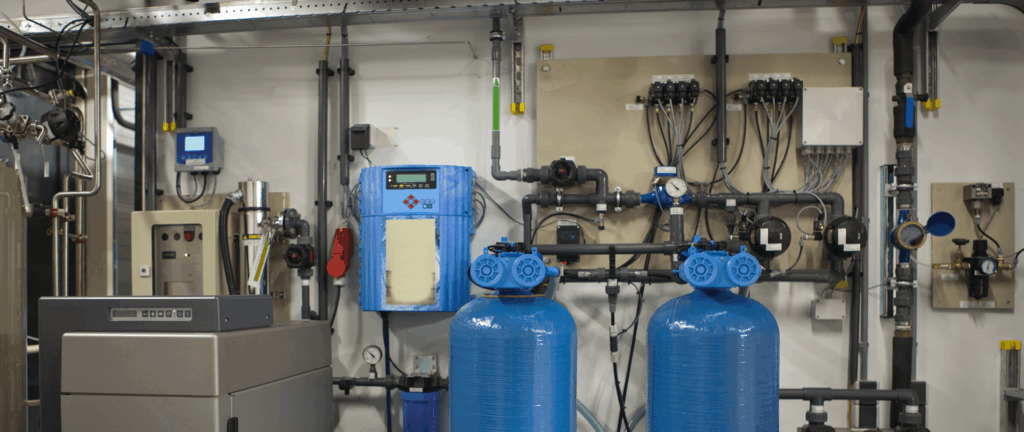
Disinfection tank, dosing pump, chemicals